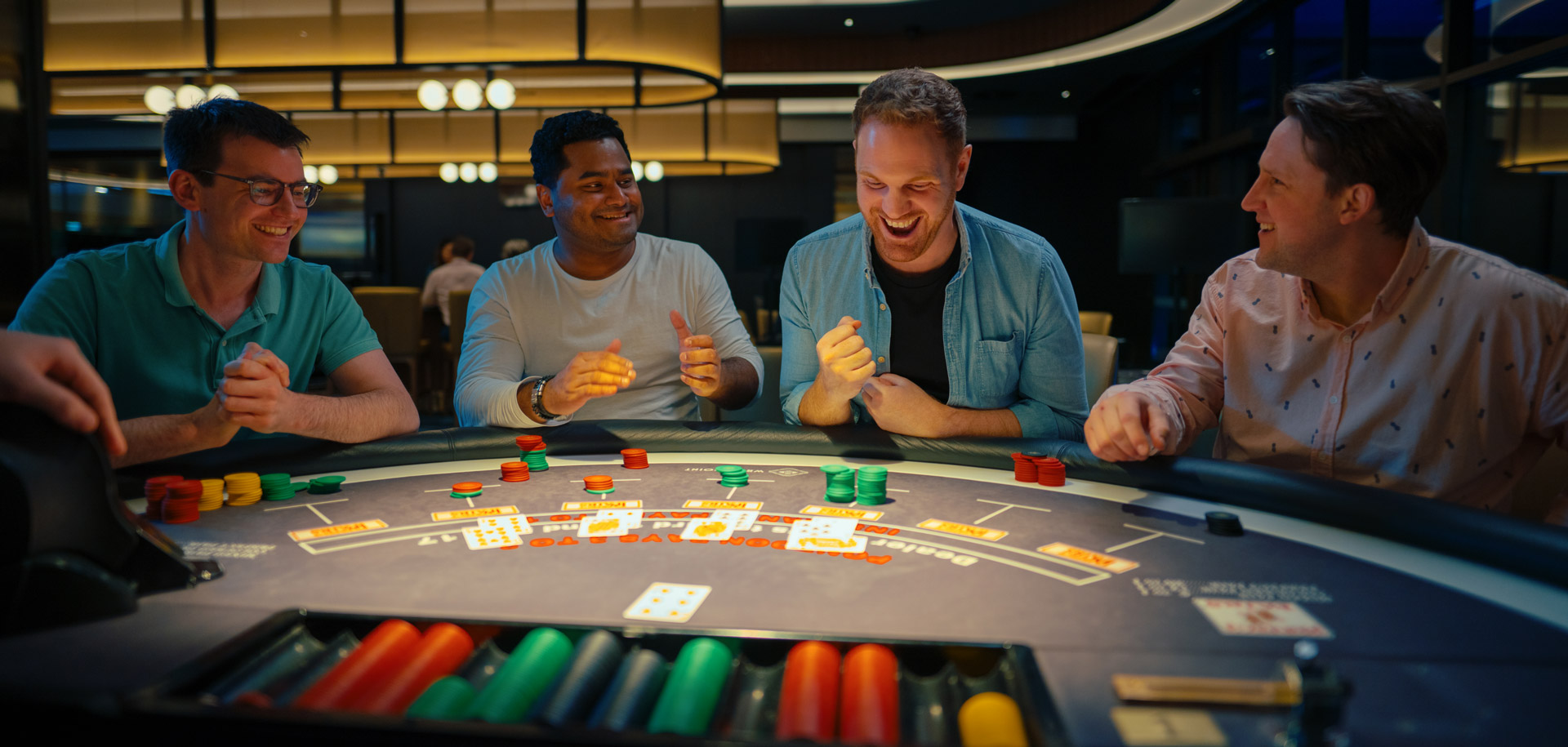
Gambling's impact on community dynamics Understanding social consequences
Understanding Gambling and Its Prevalence
Gambling has become an integral part of modern society, often viewed as a form of entertainment and social interaction. Its prevalence can be attributed to the emergence of various platforms, including casinos, online betting, and sports wagering. Many individuals engage in gambling for the thrill, the potential for monetary gain, or simply as a social activity with friends and family. This interest in leisure activities often leads players to discover quick withdrawal casinos, enhancing their gaming experiences. However, this growing popularity raises questions about its impact on community dynamics and the broader social consequences.

As communities adapt to the expanding gambling landscape, it is essential to examine how these changes influence social structures, relationships, and local economies. While some community members may benefit from increased tourism and business opportunities, others may face negative repercussions, such as addiction and financial distress. Understanding these dynamics is crucial for promoting responsible gambling practices and fostering healthier communities.
The Social Impact of Gambling
Gambling can significantly affect social interactions within a community. It often creates divisions among individuals who either support or oppose gambling activities. This divide can lead to tensions, especially in areas where gambling establishments are established. Communities must navigate these differing perspectives, and the resulting discourse can shape local policies and community initiatives.
Moreover, gambling can lead to changes in community values and behaviors. As gambling becomes more mainstream, it may normalize risk-taking behavior, influencing how individuals make financial decisions. This shift can have ripple effects, altering how people perceive success and failure within their social circles.
Economic Consequences of Gambling
The economic implications of gambling are multifaceted. On one hand, it can generate significant revenue for local governments through taxes and create job opportunities within the industry. The influx of visitors to gambling establishments can stimulate growth in surrounding businesses, from restaurants to hotels.
Conversely, the economic benefits can be overshadowed by the costs associated with gambling addiction. Increased demand for social services, such as counseling and support programs, can strain community resources. Communities must weigh these economic factors carefully to ensure that the advantages of gambling do not come at the expense of their residents’ well-being.
Impact on Family Dynamics
Gambling can deeply affect family structures and relationships. When one family member engages in gambling excessively, it can lead to financial strain, trust issues, and emotional distress within the household. Families may struggle with the consequences of debt or loss, causing rifts that can take years to heal.
Additionally, children in families affected by gambling may experience negative impacts on their mental health and well-being. They may face instability at home, leading to challenges in their education and social development. Thus, it is essential for communities to provide support networks for families impacted by gambling, fostering resilience and recovery.

Resources for Responsible Gambling
Communities play a vital role in promoting responsible gambling and providing support for those affected by its consequences. Educational programs that raise awareness about the risks of gambling can empower individuals to make informed choices. Local organizations and support groups can offer essential resources for individuals struggling with addiction.
By fostering an open dialogue about gambling and its impact, communities can create safer environments that encourage healthy behaviors. Initiatives that promote responsible gambling can help mitigate the negative social consequences while allowing individuals to enjoy gambling as a recreational activity.