
Where Paris Haute Couture Encounters Tennis Heritage
The Casablanca Paris fashion house was founded around the concept that the most elegant occasions in athletics occur not on the court but in the surrounding environments—the patio, the locker room and the after-game celebration. Creative director Charaf Tajer drew from his own experiences moving between Parisian nightlife and Moroccan sunshine to create a label that approaches tennis as a aesthetic and lifestyle sphere rather than a physical discipline. From the very first collection in 2018, Casablanca Paris built a bond with courtside life through silk shirts adorned with rackets, tennis nets and verdant vegetation. This was not athletic clothing; it was a fantasy of the tennis life filtered through premium materials and skilful artwork. By anchoring the house in tennis tradition, Tajer accessed a rich history of grace: recall the white flannels of 1930s players, the striped awnings of Roland-Garros and the cocktail culture that surrounds Grand Slam events. In 2026, this tennis DNA continues to be the emotional core of every Casablanca Paris collection, even as the brand ventures into tailoring, outerwear and finishing pieces that go well beyond the court.
The Tennis Visual Identity in Casablanca Paris Collections
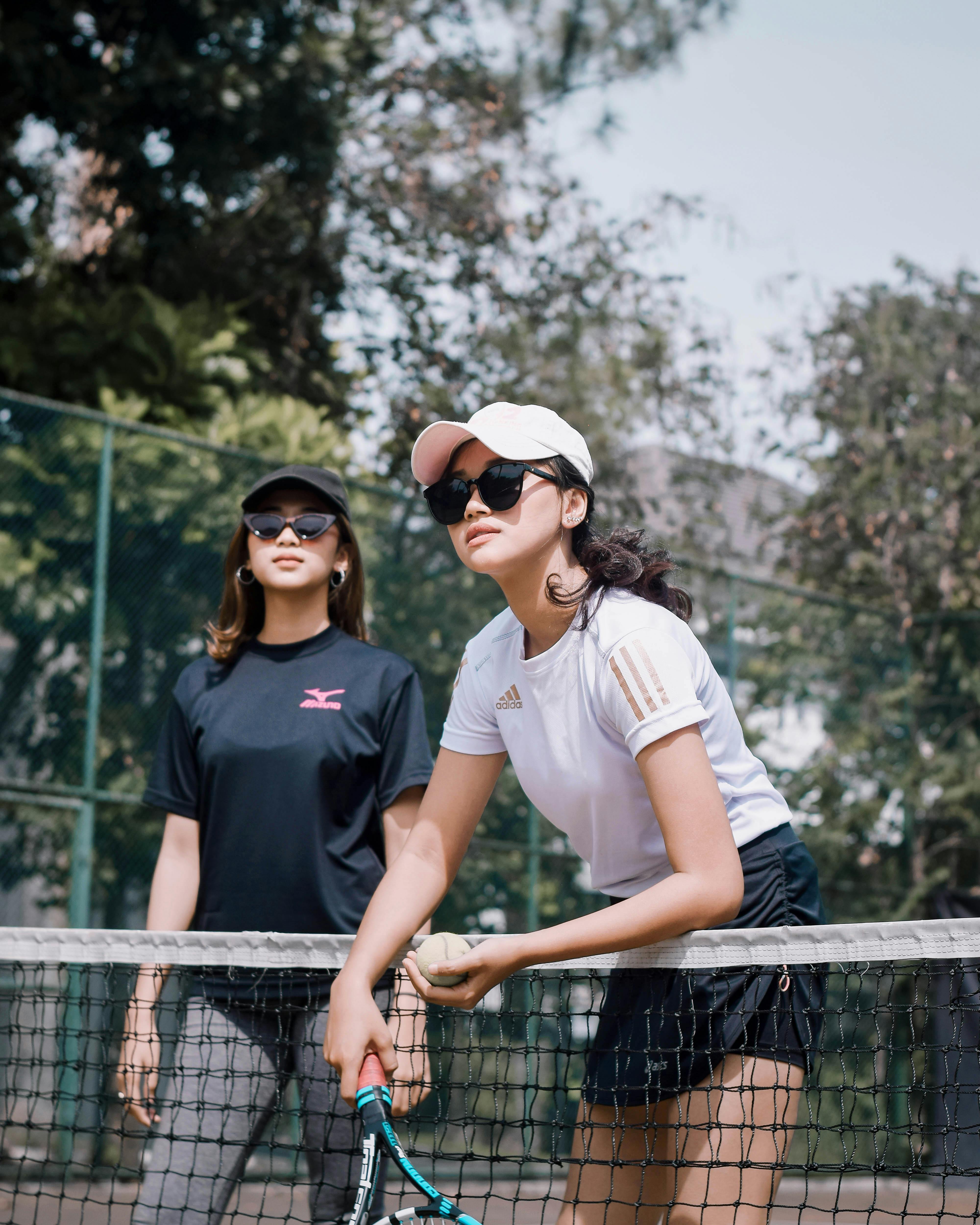
Tennis provides Casablanca Paris with a built-in visual vocabulary that is both focused and widely resonant. Clay-court reds, grass-court greens, net-white stripes and sun-yellow details flow through seasonal palettes, lending each range a athletic pulse. Illustrations portray matches, audiences, cups and Mediterranean venues crafted in a hand-painted, softly retro manner that avoids literal sportswear territory. Logo crests adopt the club-crest style of imaginary tennis clubs, instilling a feeling of belonging and prestige without referencing any real organisation. Knitwear frequently includes textured-stitch or woven patterns reminiscent of old-school tennis sweaters, while buttoned collars and polo silhouettes nod directly to match-day attire. Terry cloth—a fabric https://casablancaclothingbrand.com synonymous with sideline towels and sweatbands—is used in shorts, robes and relaxed tops, strengthening the physical link with sport. Even accessories like caps, visors and wristbands display the Casablanca Paris crest, elevating utilitarian items into collectible brand signifiers. This comprehensive approach guarantees that the tennis narrative reads genuine and evolving rather than tired, sustaining customers captivated across multiple seasons in 2026 and beyond. A branded cap or woven belt can subtly amplify the tennis vibe without cluttering the ensemble.
Essential Tennis-Inspired Pieces Across Seasons
| Item | Tennis Inspiration | Common Fabric | Price Range (2026) |
|---|---|---|---|
| Silk illustrated shirt | Courtside observer | Mulberry silk | $700–$1 200 |
| Terry shorts | Club changing room | Cotton terry | $350–$500 |
| Knit polo | Game-day uniform | Merino / cotton blend | $400–$650 |
| Track jacket | Pre-match garment | Satin / tricot | $600–$900 |
| Logo cap | Sun coverage on court | Cotton twill | $150–$250 |
| Embroidered sweatshirt | Club identity | Dense fleece | $450–$700 |
Why Tennis Tradition Attracts Luxury Consumers
Tennis has traditionally been linked to wealth, privilege and social elegance, making it a perfect partner for designer fashion. Country clubs, exclusive courts and major championships provide environments where aesthetics, social grace and visual culture converge. Unlike contact sports that focus on power, tennis honours elegance, finesse and individual expression—characteristics that correspond to the values of premium fashion labels. Casablanca Paris capitalises on this cultural capital by offering pieces that envision an dreamed-up interpretation of the tennis universe: forever sunny, always convivial, without exception beautifully styled. This alluring vision resonates with shoppers who may never participate in competitive tennis but who value the lifestyle it symbolises. In 2026, as health and sport ever more cross into clothing design, the tennis theme reads as even more significant. Competitions like Wimbledon, the US Open and Roland-Garros keep on attract high-profile presence and media coverage, strengthening the link between tennis and style. Casablanca Paris benefits from this ecosystem by presenting itself as the wardrobe for individuals who want to appear as if they have access to the most exclusive clubs in the world, whether they own a racket or not.
How Casablanca Paris Distinguishes Itself From Other Tennis-Inspired Brands
Several clothing labels have experimented with tennis references over the years, from Ralph Lauren’s Wimbledon partnerships to Lacoste’s classic line and Nike’s designer-influenced athletic ranges. What makes Casablanca Paris distinct is the degree of its investment in the aesthetic and its decision not to make functional sportswear. While other houses may put out a limited range inspired by tennis every few seasons, Casablanca Paris centres its full brand DNA around the discipline. Every range features pieces that could conceivably be found in a imaginary tennis club from the 1970s, reimagined with present-day hues, patterns and proportions. The brand never produces real performance tennis gear—there are no performance fabrics, no competition-grade shoes—which maintains the focus on imagination and living rather than function. This line is crucial because it situates Casablanca Paris alongside high-end labels rather than athletic brands, justifying elevated retail prices and more complex creative output. In 2026, other brands keep on drop sporadic tennis-themed drops, but none have woven the concept as thoroughly into their DNA as Casablanca Paris, providing the label a storytelling advantage that is hard to copy.
Incorporating Casablanca Paris With a Tennis Mood in 2026
To incorporate the Casablanca Paris tennis energy into daily looks, lead with one hero piece that has an obvious tennis allusion—a illustrated silk shirt, a terry short, or a knit polo—and build the rest of the ensemble around it with neutral pieces. For men, matching a silk shirt with pressed cream pants and suede loafers produces a sophisticated evening or resort outfit that mirrors the courtside social atmosphere. For women, wearing a Casablanca polo tucked into a flared midi skirt with flat sandals creates a athletic-elegant look perfect for city lunches and gallery visits. Layering is also powerful: layer a track jacket over a plain T-shirt and jeans to introduce a burst of vibrancy and athletic character without committing to full theme. During cooler months, a knit or sweatshirt with a discreet tennis crest can be worn under a long coat or blazer, bringing insulation and character to a polished casual look. The key rule is balance—let the Casablanca Paris piece take centre stage while the rest of the outfit supplies a neutral backdrop. This balance keeps the tennis motif refined rather than over-the-top.
The Cultural Influence and Future of Casablanca Paris Tennis Aesthetic
Beyond apparel, Casablanca Paris has contributed to a wider cultural movement in which tennis is reclaimed as a fashion reference for a fresh, more varied audience. Social media initiatives presenting players, artists and musicians dressed in the label have broadened the appeal of tennis fashion beyond historic country-club demographics. Pop-up shops at key competitions, exclusive releases coinciding with Grand Slams and partnerships with tennis bodies maintain the label visually engaged in athletic contexts. In 2026, the impact of Casablanca Paris is visible not only in its own revenue but in the overall fashion world’s renewed fascination with tennis-inspired fashion and leisure sport. Other luxury houses have commenced weaving in sporting imagery, sport-inspired skirts and terry materials into their collections, a movement that can be attributed in part to the standard Casablanca Paris pioneered. For consumers, this signals more alternatives and more acceptance of tennis-inspired clothing in everyday life. For the brand itself, the mission is to stay creative within its signature space so that it remains the leading voice of premium tennis style rather than one of many. Given Charaf Tajer’s intimate personal tie to the concept and the label’s proven ability of considered evolution, Casablanca Paris appears poised to retain that standing for years to come. For more on the meeting point of tennis and clothing design, see editorial features at Vogue and Highsnobiety.

